EMAC 355 Polymer Analysis Laboratory
Spring Semester 2026
The purpose of this undergraduate laboratory course is to acquaint students with experimental techniques in polymer synthesis and characterization. Synthetic experiments will focus on free radical and condensation polymerization. Analysis of polymer structure will be probed by nuclear magnetic resonance (NMR) and infrared (IR) spectroscopy. Molecular weight determination will be characterized by size-exclusion chromatography (SEC). Differential scanning calorimetry (DSC), and dynamic mechanical analysis (DMA) will be used as tools for thermal characterization. Rheological properties of polymers will be studied using shear oscillatory rheometry. Dynamic light scattering (DLS) will be used to characterize polymer colloids. Finally, filament-based 3D printing will demonstrate considerations underlying the processing of thermoplastics.
EMAC 382/482Polymer Composites for Electronics
Fall Semester 2025
Course Overview:
This course introduces principles for engineering polymer materials for use in electronic technologies. Students will learn about the electronic behavior of polymers and their composites, focusing on dielectric, conductive (both electronic and ionic), and semiconductive properties. The course covers various methods of material characterization and quantitative analysis of multi-material devices, ranging from sub-micrometer to millimeter scales. Through lectures, problem sets, hands-on experiments, and a capstone design project, students will learn how to tailor and process polymer composites for a wide range of electronic applications. The course starts with fundamental concepts in electromagnetism and progresses to technologically relevant topics in energy, health, and robotics
Course Objectives:
By the end of the course, students will be able to:
-
-
- Apply fundamental electromagnetic concepts to analyze polymer-based electronic devices.
- Understand the dielectric, conductive, and semiconductive behaviors of polymer materials and composites, including their interplay with mechanical behavior in the context of processing, device stability, and flexible electronics.
- Measure key electrical properties (dielectric constant, conductivity, field-effect mobility etc.) using AC and DC methods—and understand how these relate to molecular structure and composition of composites.
- Design and prototype circuits using polymeric materials, including working with microcontrollers for integration of analog prototypes with digital computers.
- Complete a final project that correlates the electrical and mechanical properties of a processed polymer composite to device performance.
-
Previous Teaching Experiences
Teaching Assistant
Responsibilities included developing new class materials and exam questions; leading class discussions; grading assignments and exams; and meeting with students individually.
Graduate Level
-
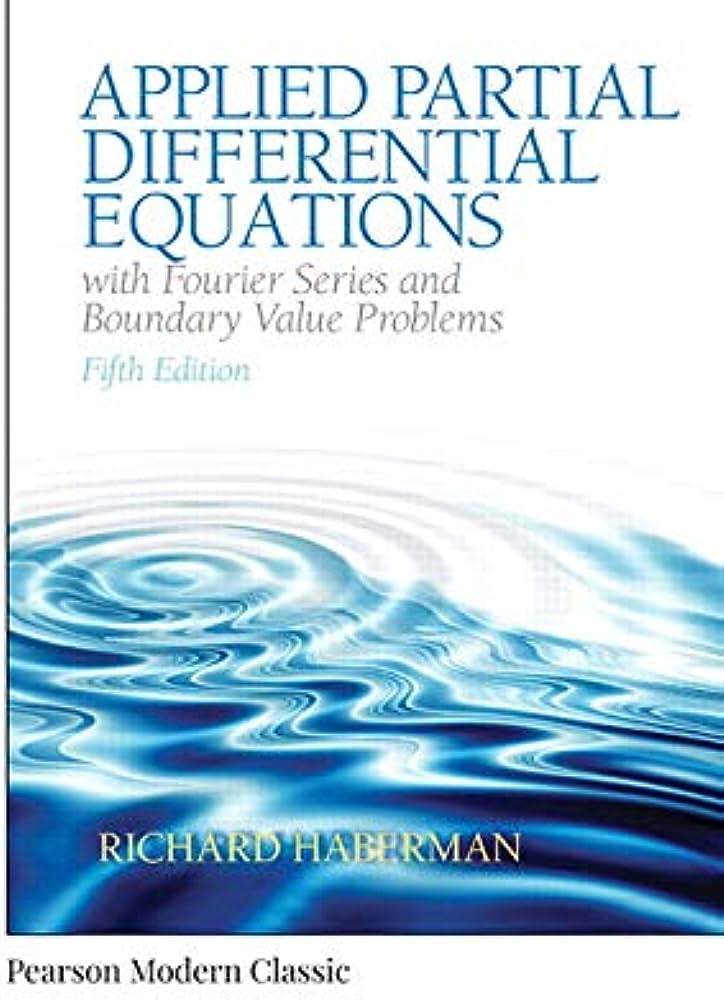
- Applied Boundary Value Problems and Fourier Series Analysis (Fall 2013)
University of Rochester, ~100 students.
- Applied Boundary Value Problems and Fourier Series Analysis (Fall 2013)
-
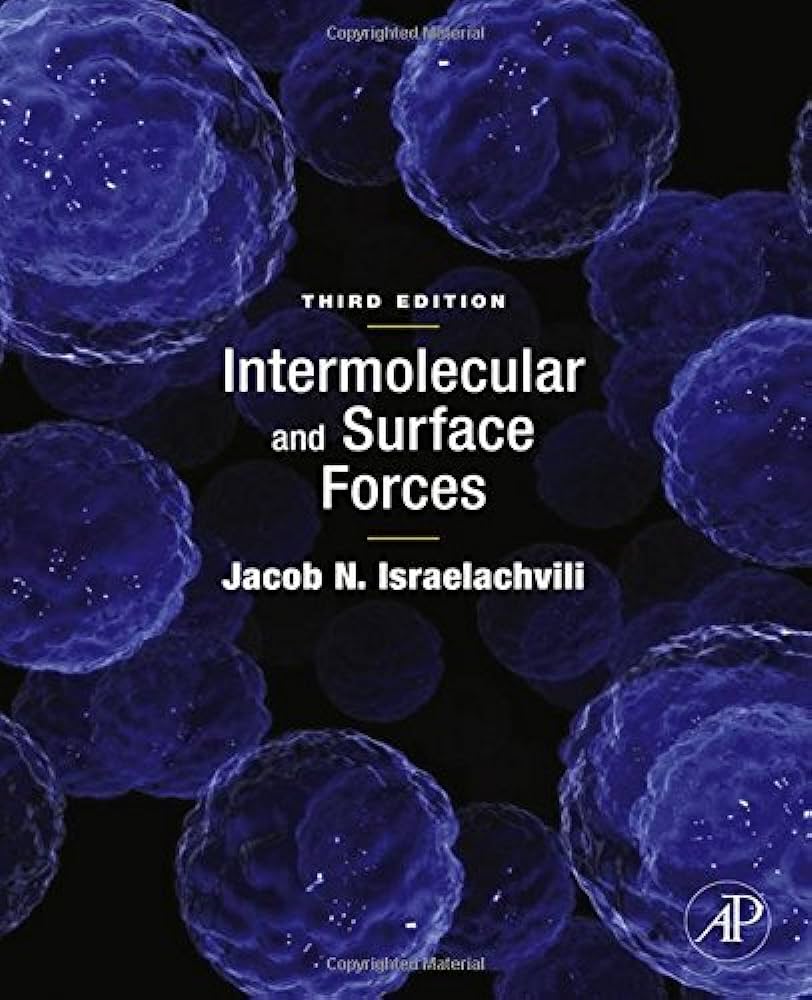
- Intermolecular & Surface Forces (Fall 2015 & 16)
University of California, San Diego, ~50 students.
- Intermolecular & Surface Forces (Fall 2015 & 16)
Undergraduate Level
-
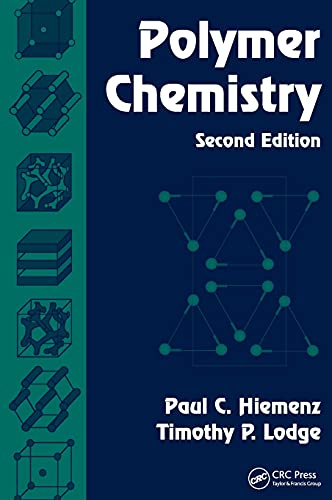
- Polymeric Materials (Winter 2016 & 17)
University of California, San Diego, ~100 students.
- Polymeric Materials (Winter 2016 & 17)
-
- Statistical Thermodynamics (Spring 2020)
Harvard University, ~30 students.
- Statistical Thermodynamics (Spring 2020)
Guest lecturer
-
- Intermolecular & Surface Forces: Computer Simulations (Winter 2017) https://www.youtube.com/watch?v=t_jccjjjk8s
- Polymeric Materials: Computer Simulations (Spring 2016 & 17)
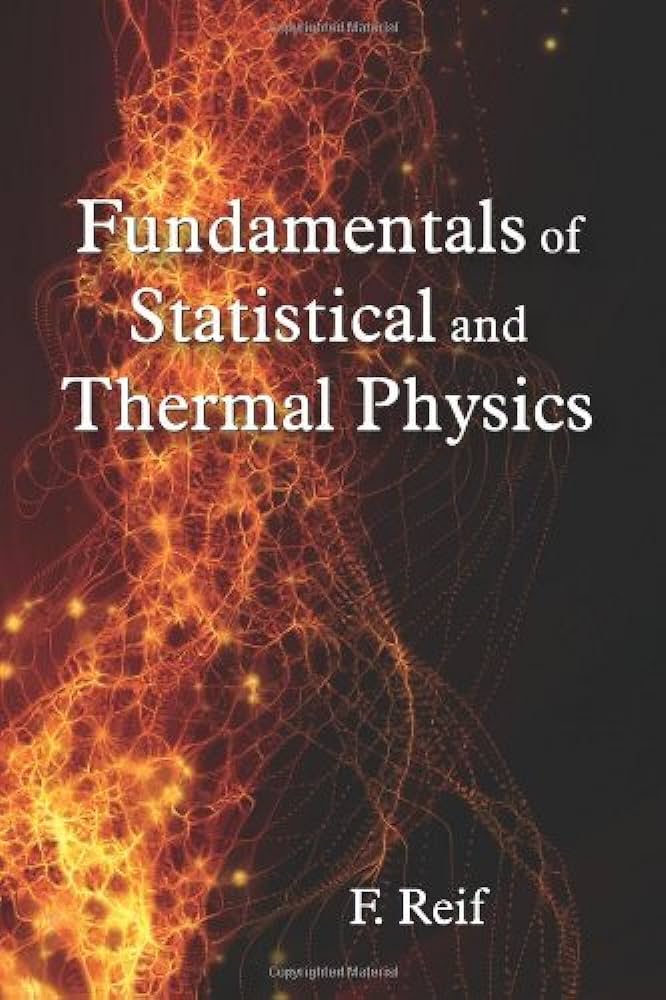
- Statistical Thermodynamics (Spring 2020)
Outreach
-
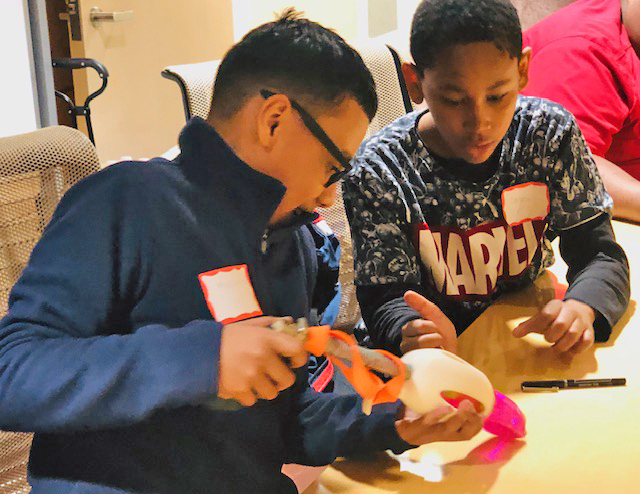
- Laboratory tours at UC San Diego for K-12 outreach, ~5 per year, 2014-18
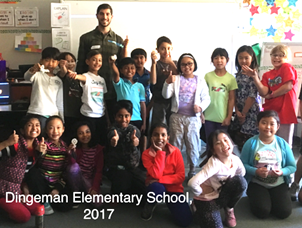
- Weekly science lessons with a single 3rd grade class at Dingeman Elementary School (Fall 2017)
- Weekly science lessons with various 5th grade classes from Boston Public Schools (April 2019)
- Mentor with the Engineering Immersion Program at Stanford, guiding students through monthly laboratory workshops (Spring 2023)
- Volunteer with the Perry outreach program for high school students aimed at building a pipeline for women to careers in engineering and medicine (October 2022)
 .
.